
Key takeaways
- Most of us slowly lose muscle after 40, so the body burns a little less energy at rest
- Everyday movement (walking, chores, stairs) tends to shrink without us noticing
- Short nights make hunger louder the next day
- Two strength sessions a week, protein at every meal and steady sleep are the habits with the strongest evidence
A friend told me last spring, half laughing and half annoyed: "I eat exactly like I did ten years ago, and my jeans disagree." If that sounds familiar, you're in good company. Almost everyone I talk to in their forties says some version of it.
Here's the reassuring part. The reasons are pretty well understood, none of them is a life sentence, and most of them come down to habits you can nudge a little at a time.
You're carrying a little less muscle
Muscle is busy tissue. Even when you're sitting on the couch, it uses energy. From midlife on, most of us slowly lose some of it unless we give it a reason to stay, and those small losses add up over a decade.
Less muscle means your body burns a bit less at rest. You won't notice it from one year to the next, but it explains why the dinner that kept you steady at 30 can lead to a slow creep at 45.

What helps: strength training. The CDC suggests muscle-strengthening activity at least two days a week. You don't need a gym. Squats to a chair, wall push-ups and a set of resistance bands in the living room all count, and twenty minutes is plenty to start.
You move less than you think, outside the gym
This one surprises people. A 30-minute workout is great, but it's a small slice of your day. The bigger difference often comes from everything else: walking to the car, carrying groceries, cooking, gardening, chasing the kids or the dog.
As work gets more desk-heavy and the kids need us a little less, that everyday movement quietly shrinks. Nobody notices, because it happens so slowly.
What helps: tie movement to things you already do. A ten-minute walk after dinner. Phone calls on your feet. Parking at the far end of the lot. Tiny on their own, but they add up over a week.
 Related readingThinking about weight loss drops? Read this first
Sleep gets lighter and shorter
Many of us sleep less, or less deeply, than we used to. Stress, kids, hot flashes and late screens all play a part. Research links short sleep with stronger hunger signals and a bigger pull toward snacks the next day.
If you've ever found yourself in the pantry at 10 p.m. after a rough night, that's not a character flaw. It's a tired body asking for quick energy.
What helps: a regular bedtime, a cooler and darker bedroom, and a "screens off" cue 30 to 60 minutes before sleep. The CDC recommends at least seven hours a night for adults.
Stress changes how (and when) we eat
Midlife has a way of stacking things up: work, aging parents, money, teenagers. Stress doesn't add calories on its own, but it changes what we do. Meals get skipped, then replaced by grazing. Cooking turns into takeout. One glass of wine becomes a nightly ritual.
What helps: plan for the hard days instead of counting on willpower. Keep two or three 15-minute meals you actually like, and put the snacks you're happy to reach for (Greek yogurt, fruit, a handful of nuts) at eye level.
Protein and fiber matter more than ever
If you want to protect muscle while eating a little less, protein is your friend. It helps maintain muscle and tends to keep you fuller than refined carbs. Fiber from vegetables, beans, fruit and whole grains does something similar for fullness and digestion.
A simple check: does each meal have a palm-sized portion of protein and at least one vegetable or fruit? If not, that's the easiest place to start.
A realistic plan
Forget the 30-day overhaul. The habits with the best evidence are a little boring, and that's exactly why they work when you stick with them:
- Two strength sessions a week, 20 to 30 minutes each
- A daily walk, ideally after your biggest meal
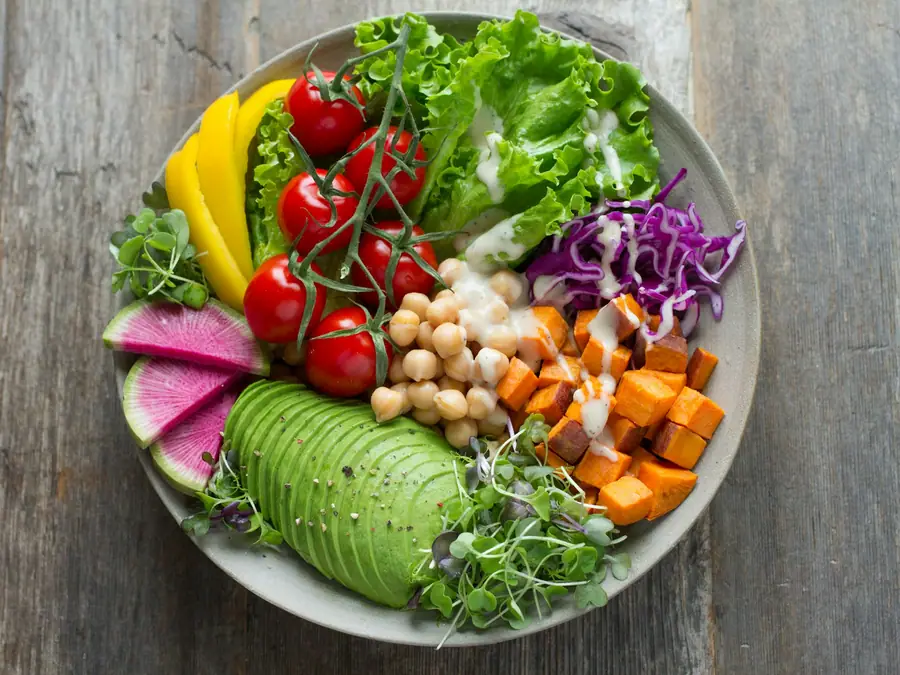
- Protein at every meal, with vegetables filling half the plate when you can
- Seven or more hours of sleep on most nights
- One change at a time, kept for two weeks before you add the next
The CDC notes that people who lose weight gradually, about 1 to 2 pounds a week, are more likely to keep it off. Slow progress isn't failure. It's usually the version that lasts.
Not sure where you're starting from? Our quick quiz shows the healthy weight range for your height, based on CDC guidelines.
Question 1 of 5
What's your healthy weight?
Find the healthy weight range for your height in under a minute, based on CDC guidelines.
When to check in with your doctor
If you've gained weight quickly without changing anything, feel unusually tired, or notice other new symptoms, it's worth a check-up. Thyroid issues, some medications and other medical factors can affect weight, and your doctor can rule them out.
Frequently asked questions
Is it normal to gain weight after 40 without eating more?
Yes, it's very common. With a bit less muscle and a bit less daily movement, the same meals that kept you steady at 30 can lead to slow gain over the years.
How fast is it realistic to lose weight?
For most adults, about 1 to 2 pounds a week. It feels slow, but people who lose weight gradually are more likely to keep it off.
Do I need a special diet after 40?
Not really. Most people do well by putting protein, vegetables and fiber first and paying attention to portions, rather than following a strict named plan.
Sources
- NIDDK, Factors affecting weight and health: niddk.nih.gov
- CDC, Steps for losing weight: cdc.gov
- CDC, Physical activity guidelines for adults: cdc.gov
- CDC, About sleep: cdc.gov
Medical disclaimer: This article is for informational purposes only and is not a substitute for professional medical advice, diagnosis or treatment. Talk to your doctor before changing your diet, exercise routine or adding a supplement, especially if you are pregnant, nursing, take medication or have a medical condition.

Senior Health Writer
Emily Carter
Emily covers weight management and nutrition, turning published research into practical everyday habits. More from Emily